
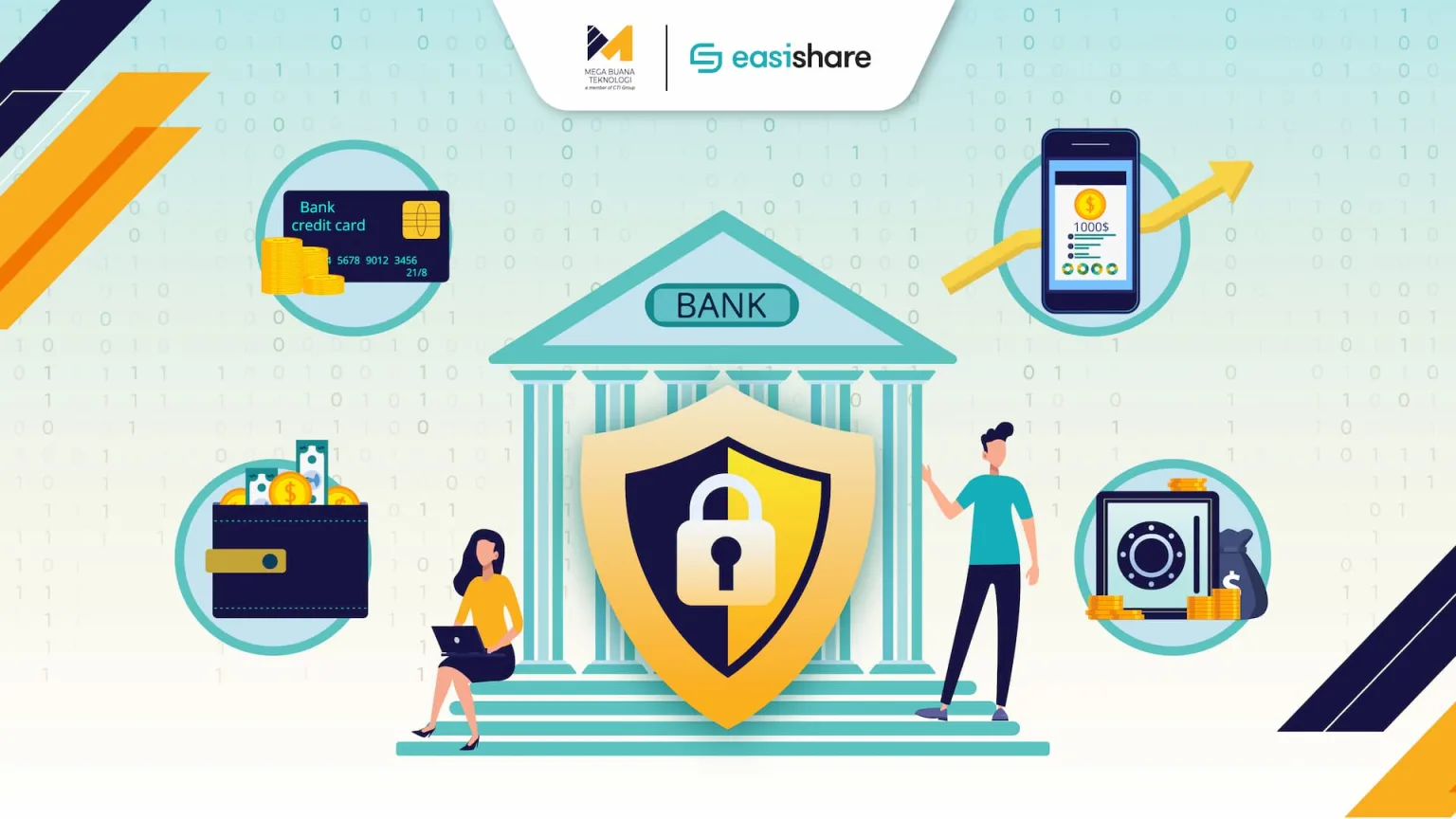
The Insider Threat Trends 2025 report notes that 68 percent of data breach incidents involve employees, external parties, and business partners, with an average annual cost reaching US$17.4 million per organization. This figure clearly shows that insider threats have become one of the most expensive security risks for the Banking, Financial Services, and Insurance sector.
For the BFSI industry, documents are far more than simple files. They contain sensitive customer data, credit information, financial reports, and business strategies that are governed by strict regulations. Without proper confidential document management, a single mistake in access or document distribution to the wrong party can trigger serious compliance violations, financial losses, and a reputational crisis that is difficult to recover from.
Insider Threat in the Banking Industry Internal Risks Cost More Than External Attacks
While external attacks are often visible and easier to detect, insider threats typically operatebehind normal day to day activities. Employees with legitimate access may unintentionally or deliberately copy, share, or store sensitive documents outside controlled systems.
In a banking environment, the leakage of just one file can have serious consequences for thousands of customers at once.
Regulators are also paying close attention to internal risks in the BFSI sector. Banks and financial institutions are not only expected to prevent external cyber-attacks, but also to prove that internal access to confidential documents is strictly controlled and properly documented.
Why Confidential Document Management Has Become a Strategic Control in the BFSI Sector?
Confidential document management is no longer just a document storage system for the BFSI sector. It acts as a strategic control that defines who can access specific documents, in what context, for how long, and with full visibility into every activity.
For BFSI organizations, this system forms the foundation for balancing business collaboration with strong data protection. Without centralized control, digital transformation initiatives can introduce new and wider security gaps.
Weaknesses of Conventional Document Sharing Systems in Highly Regulated Environments
The BFSI sector operates in a highly regulated environment due to the volume and sensitivity of the data it manages. However, many financial institutions still rely on conventional file sharing methods such as email, traditional file servers, or public cloud services without granular control.
These conventional approaches have clear limitations, including difficulty in tracking who downloads documents, no restriction on further redistribution, and minimal audit trails that can be relied upon during regulatory inspections. Such limitations can lead not only to technical issues, but also to legal and operational risks.
Critical Confidential Document Management Features Required by Banks and Financial Institutions
Instead of relying on conventional file sharing systems, the BFSI sector must adopt confidential document management solutions with advanced security capabilities. Below are three critical features that should be in place.
Zero-Trust Access and Granular Permission to Restrict Sensitive Document Access
A zero-trust approach ensures that every access request is verified, even when it comes from internal users. With granular permissions, customer records, credit data, and transaction documents are accessible only to the right roles based on business needs.
Audit Trail and Activity Monitoring for Regulatory Compliance and Fraud Investigation
Every document related activity should be recorded automatically and in detail. Comprehensive audit trails help compliance and internal audit teams demonstrate regulatory adherence and accelerate investigations when anomalies occur.
End to End Protection for Customer, Credit, and Financial Transaction Documents
Documents must be protected from the moment they are uploaded, stored, shared, and archived. End to end protection ensures data remains secure even as it moves across systems and between parties.
All three of these essential features are available in confidential document management solutions from EasiShare, helping BFSI organizations protect sensitive data while meeting regulatory requirements.
EasiShare as a Confidential Document Management Solution for BFSI That Requires Control Visibility and Compliance
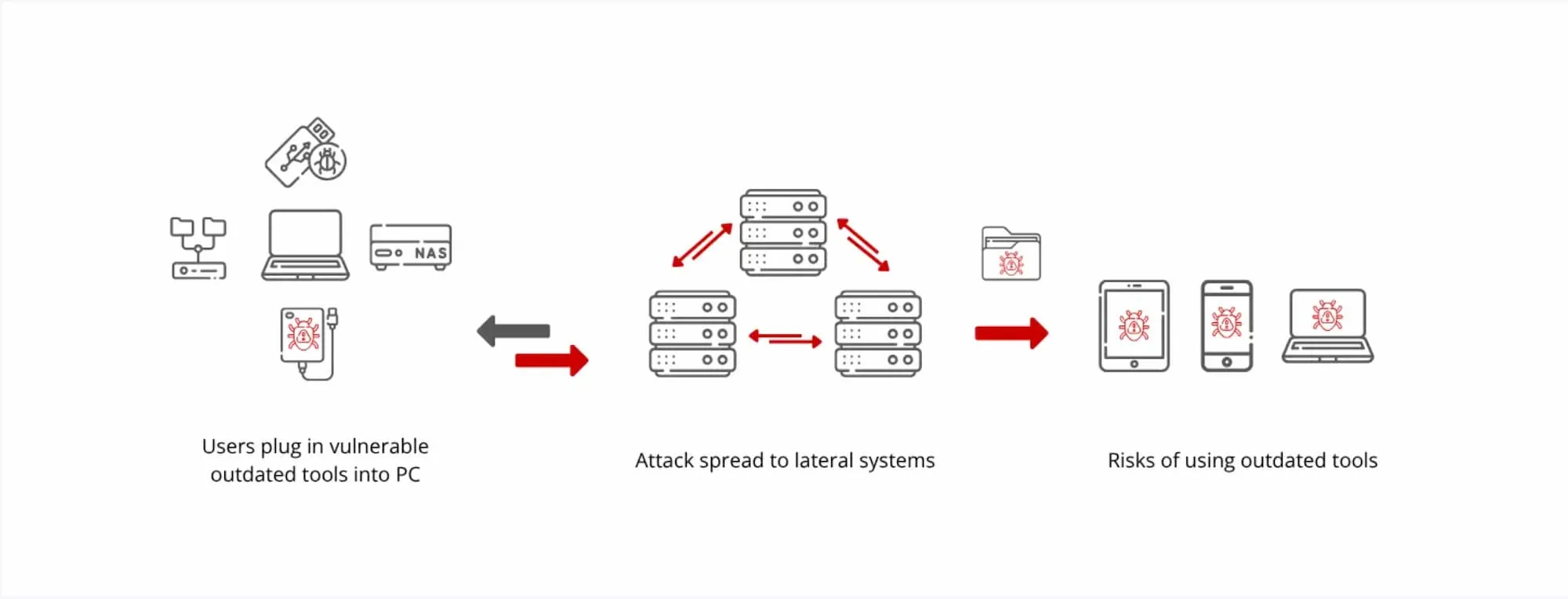
Gambar 1. Ilustrasi Kolaborasi tanpa Easishare
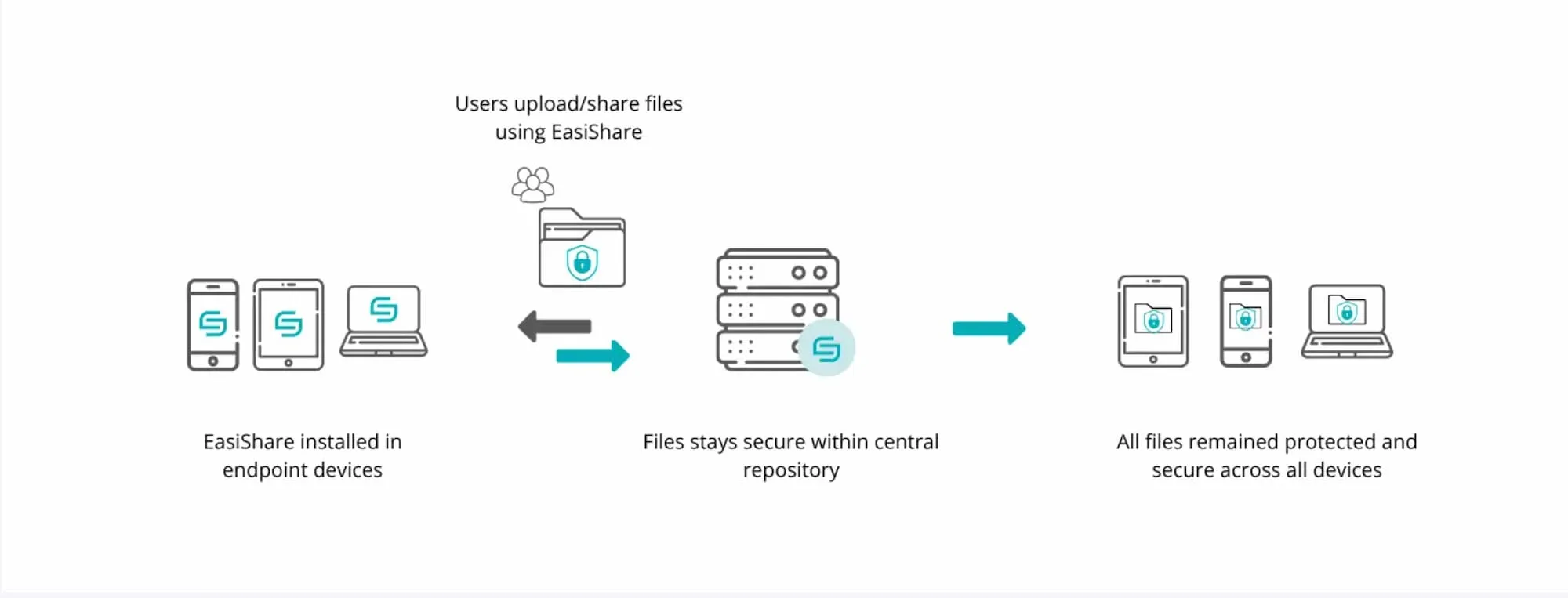
Gambar 2. Secure Internal Collaboration and Safe File Exchanges with Easishare
EasiShare is a file and document sharing platform designed to support organizations with high security requirements such as banks and financial institutions. The platform provides full control over confidential documents without sacrificing collaboration speed.
Case Study 1: Secure Internal Collaboration and Safe File Exchanges
Internal teams can collaborate on sensitive documents without the risk of shadow it, supported by role-based controls and real time activity notifications.
Case Study 2: Managed File Transfer for Financial Records and Reports with Partners
The exchange of financial reports and regulatory data with auditors or business partners can be conducted securely, monitored continuously, and fully documented.
Case Study 3: Extend Transfers of Large and Sensitive Financial Information with Banks
EasiShare supports large file transfers with strong encryption, ensuring critical data remainsprotected throughout inter institution delivery processes.
Also Read: Cyber Threats Are Everywhere, Here’s How to Stay Protected!
How MBT Helps Financial Institutions Implement EasiShare Securely and in Line with Compliance Requirements?
Mega Buana Teknologi (MBT) upports BFSI institutions in adopting EasiShare through an approach aligned with operational needs and regulatory requirements. MBT ensures that confidential document management is implemented securely while supporting long term business growth.
As part of CTI Group, MBT has extensive experience supporting hundreds of organizations in the BFSI sector, from architecture planning and access policy configuration to audit readiness. Contact the MBT team today and ensure your confidential document management implementation is secure and fully compliance ready.
Author: Ervina Anggraini – Content Writer CTI Group