
Palo Alto Networks’ Unit 42 reports nearly 90 percent of security incidents involve weaknesses in user identities or credentials. In many cases, compromised identities become the most effective entry point for attackers attempting to breach enterprise systems, often through phishing, social engineering, or the misuse of leaked credentials.
This trend highlights how modern cyber threats increasingly focus on access and identity inside the network. As a result, protecting enterprise infrastructure can no longer rely solely on perimeter security. Organizations need a broader enterprise network security approach that combines identity control, network visibility, and access management to safeguard digital infrastructure more effectively.
So, what practices can help organizations strengthen enterprise network security amid the growing complexity of modern infrastructure?
What Is Enterprise Network Security?
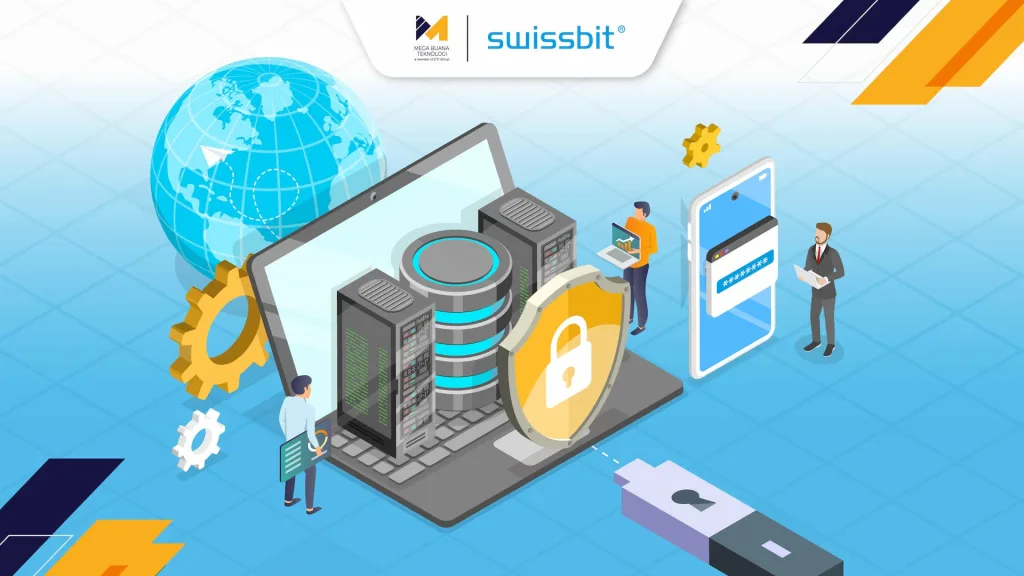
Enterprise network security refers to the strategies and technologies used to protect an organization’s network infrastructure from unauthorized access, misuse, and cyber threats. It involves implementing security policies, access control mechanisms, network monitoring, and technologies such as firewalls, authentication platforms, and network segmentation to ensure the confidentiality, integrity, and availability of data across enterprise environments.
Security Threats Facing Enterprise Network Infrastructure

Enterprise networks have become the backbone of modern business operations, enabling the continuous exchange of data, applications, and digital services. As connectivity expands, so does the attack surface that threat actors can potentially exploit. Without proper security management, even small vulnerabilities can evolve into serious risks that disrupt organizational operations.
Some of the most common threats in enterprise network security environments include the following.
Credential Theft and Identity-Based Attacks
Many modern cyber-attacks begin with compromised user credentials. Techniques such as phishing, brute force attacks, or session hijacking allow attackers to gain initial access to enterprise systems and begin exploring the network.
Lateral Movement Within the Network
Once attackers gain entry, they often attempt to move laterally across the network to identifysystems with higher privileges or sensitive data. Without proper segmentation and access control, this movement can occur without immediate detection.
Hybrid Infrastructure Complexity
Many organizations now operate hybrid environments that combine on-premises systems, cloud platforms, and remote access infrastructure. This complexity makes network security management more challenging because the network is no longer confined to a single environment.
Misuse of Excessive Access Privileges
Overly broad access privileges can create hidden security vulnerabilities. When users or service accounts have permissions beyond what they require, the risk of misuse or unauthorized access increases significantly.
Building Secure Enterprise Connectivity for Hybrid Infrastructure
Modern enterprise infrastructure rarely operates within a single environment. Applications may run across data centers, cloud platforms, and edge environments simultaneously. This reality requires enterprise networks to securely connect multiple environments without disrupting the flow of data traffic.
Secure connectivity therefore becomes a key component of enterprise network security. With centralized access management, strong authentication mechanisms, and consistent traffic control, organizations can maintain secure communication across systems while preserving network performance in hybrid environments.
Integrating Network Security with Monitoring and Access Control
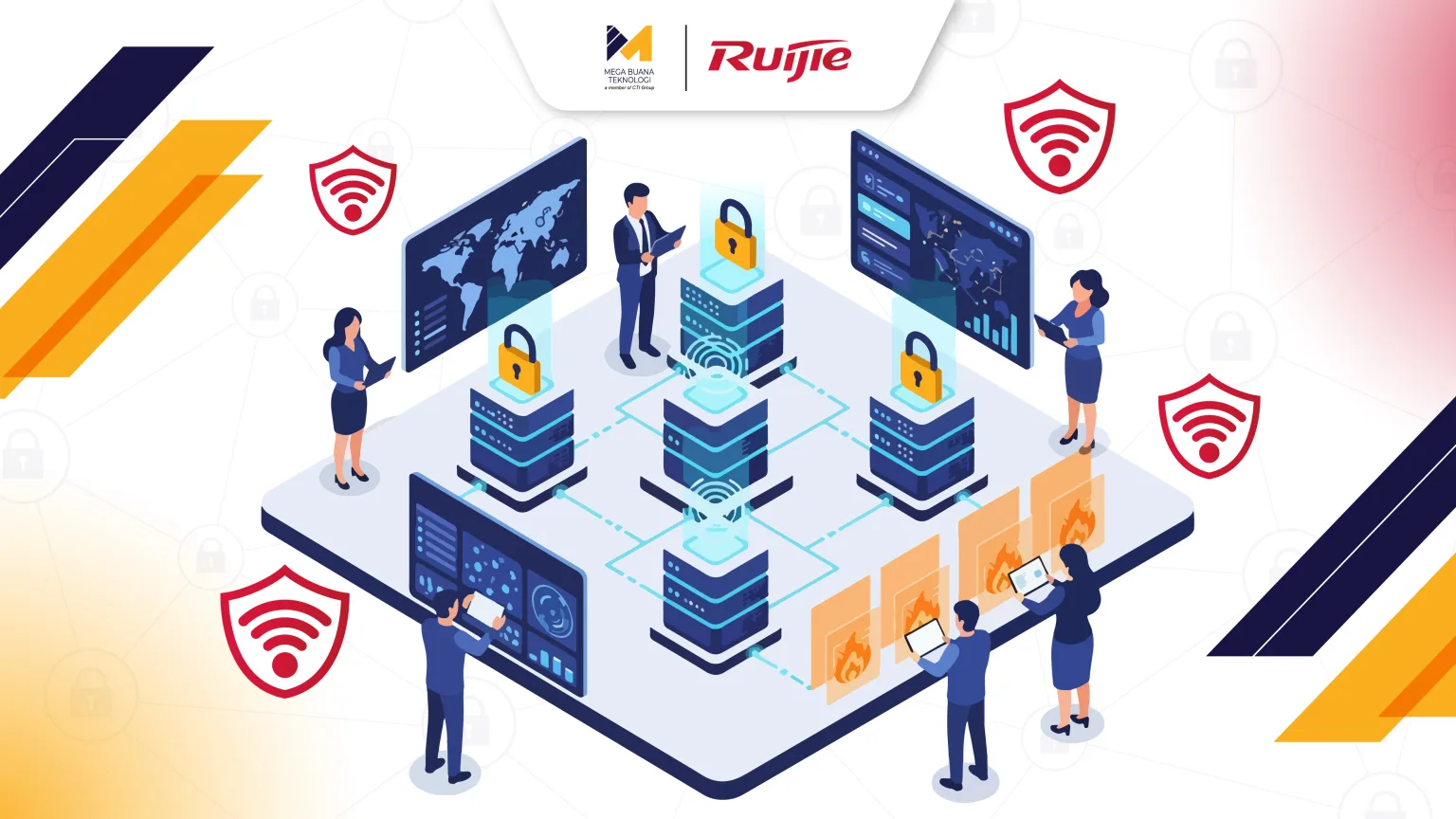
Enterprise network security requires clear visibility into activity occurring across the network. Monitoring tools allow IT teams to understand how users, devices, and applications interact with the network infrastructure at any given time.
At the same time, access control ensures that only verified users and authorized devices can access specific resources. By combining monitoring with structured access control policies, organizations can detect suspicious behavior earlier and prevent unauthorized access before it escalates into a major security incident.
5 Essential Practices for Enterprise Network Security
Building effective enterprise network security requires a structured and consistent approach. Beyond deploying security technologies, organizations also need operational practices that help reduce risk and maintain stronger visibility across their networks.
1. Conduct Regular Network Security Audits
Security audits help organizations identify vulnerabilities that may go unnoticed during daily operations. By conducting regular evaluations, IT teams can assess the effectiveness of existing controls and address potential risks before they escalate.
2. Implement Strong Access Control Policies
Clearly defined access policies help limit who can access specific resources within the network. Role-based access control combined with strong authentication mechanisms ensures that only authorized users can interact with enterprise systems.
3. Continuously Monitor Network Traffic
Network traffic monitoring allows security teams to detect unusual activity patterns that may indicate potential threats. Improved visibility into network behavior helps organizations respond more quickly to emerging risks.
4. Implement Data Encryption
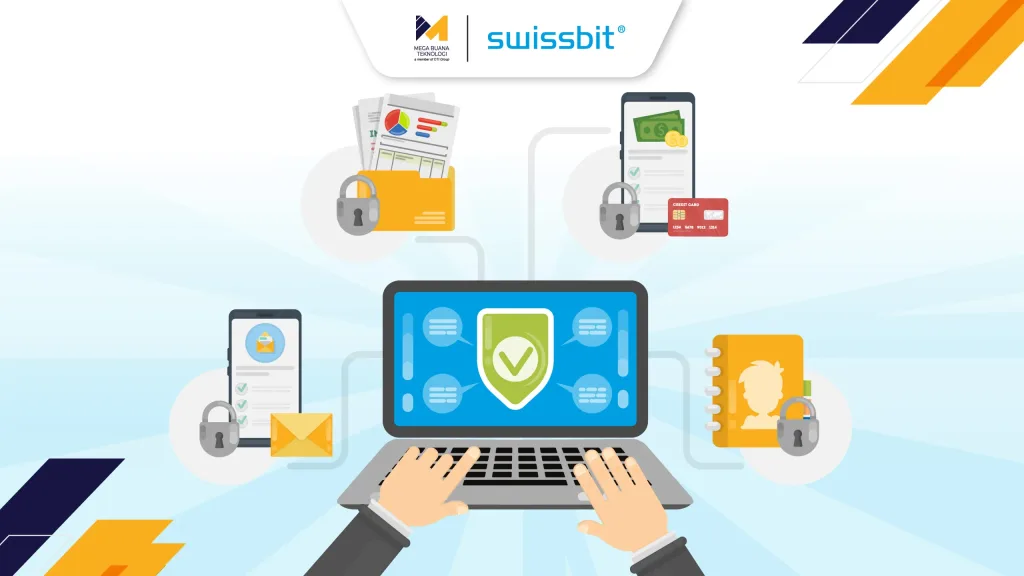
Encryption helps protect sensitive data transmitted across the network from interception or manipulation. Technologies such as SSL, TLS, and VPN help ensure that data remains secure while in transit.
5. Establish a Disaster Recovery Plan
Even with strong security controls in place, organizations must be prepared for unexpected disruptions. A well-designed disaster recovery plan ensures that critical systems can be restored quickly following security incidents or infrastructure failures.
Read More: Understanding Network Access Control (NAC): The Gatekeeper of Modern Network Security
Ruijie Security Management Platform RG-SMP+: Centralized Access Control for Enterprise Networks
Managing enterprise network security across large-scale environments requires clear visibility and centralized access control. Ruijie Security Management Platform RG-SMP+ helps organizations manage authentication, user identities, and network access policies through a unified management platform.
The platform supports multiple authentication methods such as SSO authentication, account-based authentication, and MAC authentication, allowing flexible management of both users and devices. With integration capabilities for identity systems such as Microsoft Active Directory, Google Workspace, and LDAP, RG-SMP+ enables organizations to implement structured access control policies while maintaining visibility across enterprise network environments.
Strengthen Your Enterprise Network Security with MBT
As part of CTI Group, Mega Buana Teknologi (MBT) helps enterprises design and implement structured enterprise network security strategies. With solutions such as Ruijie Security Management Platform RG-SMP+, organizations can strengthen authentication management, improve access control, and gain better visibility into user and device activity across their network infrastructure.
Contact MBT to strengthen your enterprise network security and build a network infrastructure that is secure, controlled, and ready to support future business growth.
Author: Danurdhara Suluh Prasasta
CTI Group Content Writer