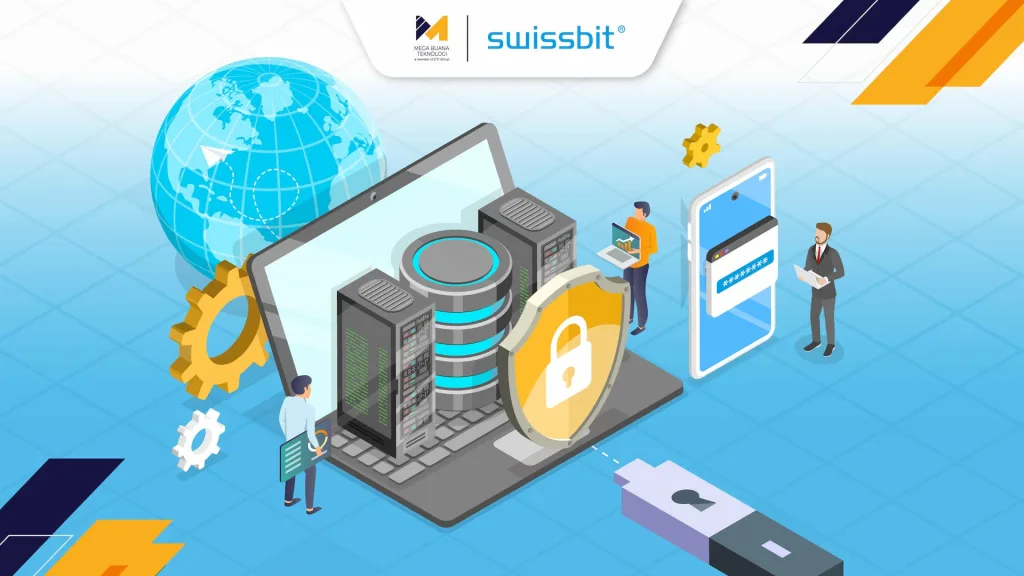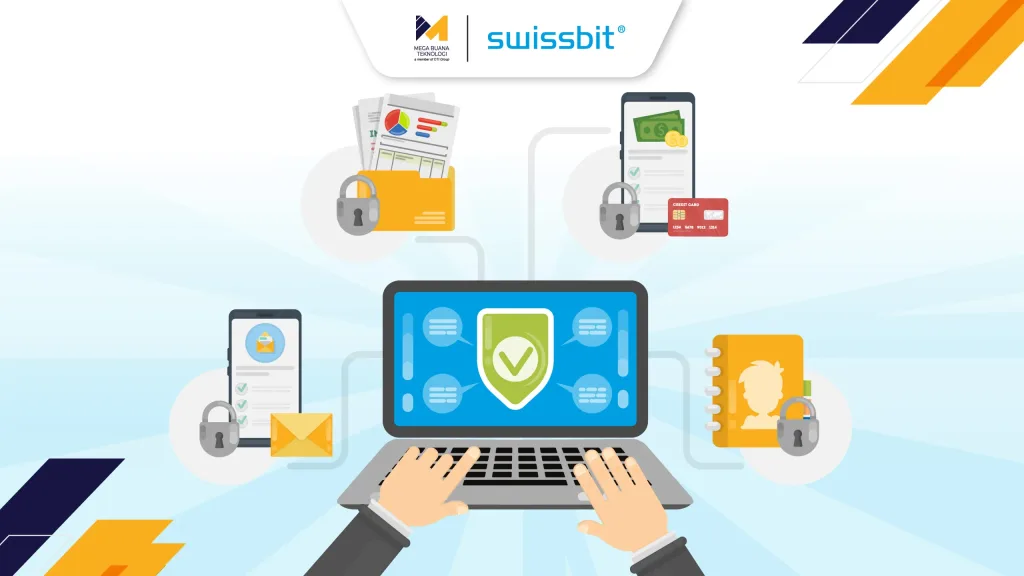

Data security has become an essential aspect of every organization in today’s digital landscape. Regardless of scale, all businesses must ensure that their data is safeguarded against increasingly sophisticated cyber threats. A single cyberattack can lead to significant financial losses, damage corporate reputation, and undermine customer trust.
Furthermore, data protection regulations and compliance standards have become increasingly strict. Organizations that fail to comply risk severe financial penalties and legal repercussions. By maintaining strong data security, companies not only protect their own assets but also demonstrate their commitment to customer privacy and trust.
So, what exactly is data security? Why is it so crucial for organizations? And what are the best practices to implement effectively? Let’s explore these topics in the sections below.
What Is Data Security?
Data security refers to the practice of protecting digital data and information from misuse, corruption, theft, or unauthorized access. Security measures can be implemented at multiple levels — including hardware, software, storage systems, user devices, access controls, administrative policies, and company procedures.
In practice, data protection relies on various tools and technologies that enhance visibility, monitor data usage, simplify audits, and ensure compliance with data protection regulations.
Why Is Data Security Important for Businesses?

Data is one of the most valuable assets for any organization, which makes its protection critical. To emphasize its importance, many data privacy and protection regulations require companies to comply with strict security standards. Failure to do so can lead to penalties, loss of intellectual property, and a severe decline in consumer trust.
7 Types of Data Security
After understanding the importance of implementing data protection, it’s crucial to recognize the different types of data security to build stronger defense layers. Here are seven essential types of data security even organization should apply:
1. Encryption
Convert information or data into a secret code, making it difficult to interpret without a specific code called an encryption key.
2. Authentication
Prevent illegal access to your system or data by granting access through specific methods such as PINs, passwords, biometric, and others.
3. Access Control
Defines and restricts who can access company information—both physically and digitally—based on their role or responsibility.
4. Backup and Recovery
Involves regularly backing up critical data so that it can be restored during system failures, cyber incidents, or natural disasters.
5. Data Erasure
Securely overwrites deleted data to ensure it cannot be recovered or exploited.
6. Data Masking
Protects sensitive data by replacing real information with fictitious or scrambled values.
7. Data Resilience
Focuses on maintaining data availability, integrity, and accessibility even after incidents or disruptions.
4 Key Benefits of Implementing Data Security

Here are four key benefits of implementing effective data security measures:
1. Protect Critical Business and Customer Data
Proper data security provides full protection for sensitive companies and customer information using the right solutions for your organization’s needs.
2. Maintain Business Reputation
Strong data protection fosters trust among partners and customers, helping your company maintain and even enhance its reputation.
3. Prevent Cyberattacks
Implementing the right data security solutions helps prevent ransomware, malware, spyware, adware, and other types of attacks.
4. Reduce Unnecessary Costs
Proactive data security saves costs by preventing issues related to system patching, troubleshooting, and code repair in the future.
6 Common Data Protection Challenges for Businesses
With cybercrime on the rise, protecting sensitive data has become increasingly complex. Businesses face numerous challenges in ensuring strong data security. Below are the most common threats:
1. Ransomware
Recently, Indonesia’s National Data Center (PDN) was crippled by a ransomware attack that disrupted government operations nationwide. This highlights how destructive ransomware can be — encrypting data and demanding ransom for decryption keys.
2. Malware
Malicious software infiltrates systems through emails, browsers, or web apps, especially when company software is vulnerable — resulting in data theft, extortion, or network damage.
3. Phishing
Phishing attacks are launched through deceptive emails, SMS, or chat messages containing harmful links or attachments. Once clicked, users may be redirected to fake websites or unknowingly download malware.
4. Insider Threats
Employees can pose internal risks — whether unintentionally compromising their accounts, deliberately accessing data illegally, or unknowingly weakening company security.
5. Data Breaches
Data leaks can occur due to poor information handling, granting access to unauthorized individuals, or a lack of clear data security policies.
6. Cloud Storage Risks
While cloud-based storage enhances collaboration, it can also complicate control and protection — especially with remote users. Using trusted cloud service providers, however, can offer stronger security than on-premises systems.
Key Capabilities and Tools in Data Security

As data security threats evolve, organizations need comprehensive tools and technologies to stay ahead. Below are essential capabilities and tools to strengthen data protection:
Database Auditing
Monitors database activity to provide visibility and transparency over access, data changes, and structure modifications.
Data Redaction, Data Masking, dan Data Subsetting
Protects sensitive information by removing, concealing, or anonymizing data while ensuring security and privacy compliance.
Strengthened Access Policies
Implements consistent authorization controls across applications and maintains user accountability with detailed reporting.
Data Security vs. Data Privacy: What’s the Difference?
Although closely related, data security and data privacy focus on different aspects of data protection:
- Data Security
Data security involves the technical and procedural safeguards that protect all types of data—sensitive or general—from theft, corruption, or unauthorized access.
- Data Privacy
Data privacy focuses on individuals’ rights over how their data is collected, stored, and managed by organizations, ensuring compliance with privacy laws and regulations.
Even with strong data security, companies must also implement privacy policies to protect user rights. Conversely, strong privacy protections rely on robust security measures — making both elements deeply interconnected.
Tips to Ensure Data Security and Privacy
As previously explained, data security and privacy are two essential aspects of comprehensive data protection within any organization. Below are several effective steps you can take to ensure both are properly maintained:
Secure Company Information and Data
Provide strong protection across all company data, starting from access management and data encryption to storage and system configuration. Make sure only authorized personnel have access based on defined roles and responsibilities.
Prepare for Potential Threats
It is undeniable that cyber threats can target anyone at any time. Therefore, early preparation is key — conduct regular system testing, educate employees about cybersecurity best practices, and establish clear management and recovery plans to minimize disruption when an incident occurs.
Delete Unused Data
Completely remove any data that is no longer needed, both physically and digitally. This step helps prevent unauthorized use or exploitation by individuals seeking to take advantage of outdated information.
To prevent unwanted incidents in the future, consider implementing reliable data security solutions from NetApp, Oracle, and EasiShare, designed to protect your organization’s valuable information with advanced and trusted technology.
Data Security Solutions from NetApp, Oracle, and EasiShare
Mega Buana Teknologi (MBT) offers a comprehensive portfolio of data security solutions designed to protect your business across environments.
NetApp
NetApp ONTAP provides advanced data protection across hybrid cloud environments, preventing ransomware attacks and meeting industry best practices — now enhanced with Zero Trust capabilities.
Key features include:
- Autonomous Ransomware Protection: Detects ransomware, automatically creates Snapshot copies, and alerts administrators.
- Snapshot Copies: Read-only data snapshots protected from ransomware tampering.
- SnapLock Technology: Safeguards Snapshot copies to prevent accidental or malicious deletion.
- Snapshot Copy Locking: Allows administrators to lock snapshots manually or automatically.
- FPolicy Technology: Monitors file access and applies granular control with file-type filtering.
- Volume Encryption: Encrypts data across multiple disks without unique keys.
- Secure Purge (NVE): Permanently removes deleted files and their encryption keys.
NetApp helps simplify and strengthen your data protection before threats occur — with clear visibility, risk detection, and actionable security recommendations.
Oracle
Oracle’s suite of data security solutions simplifies data protection and minimizes the risk of breaches with advanced automation and compliance tools:
- Oracle Data Safe: A cloud-based service protecting all databases (on-prem and cloud) through auditing, anomaly detection, and sensitive data discovery.
- Oracle Advanced Security: Encrypts database data for enhanced protection with minimal operational impact.
- Oracle Database Vault: Restricts unauthorized access, even from privileged users.
- Oracle Audit Vault and Database Firewall: Provides continuous monitoring and detection of sensitive data activity.
EasiShare
EasiShare enhances file security and collaboration through encryption, smart synchronization, granular policy control, and monitoring.
- File Security and Restriction: Encrypts files in transit, controls uploads, device access, and compliance governance.
- Smart Sync and Delta Sync: Optimizes bandwidth and enables fast file restoration.
- Granular Policy Management and User Monitoring: Allows precise access control and audit logging.
- Authenticated Access: Ensures only verified users can access files, supported by multi-factor authentication (MFA).
Strengthen Your Data Security with Trusted Solutions from NetApp, Oracle, and EasiShare at MBT
Enhance your data protection today with trusted solutions from NetApp, Oracle, and EasiShare. As an authorized partner, Mega Buana Teknologi (MBT) is ready to support you — from consultation and deployment to after-sales support.
Ready to get started? Contact us today through this link to schedule your consultation.
Writer: Anggita Olivia Herman – Content Writer CTI Group