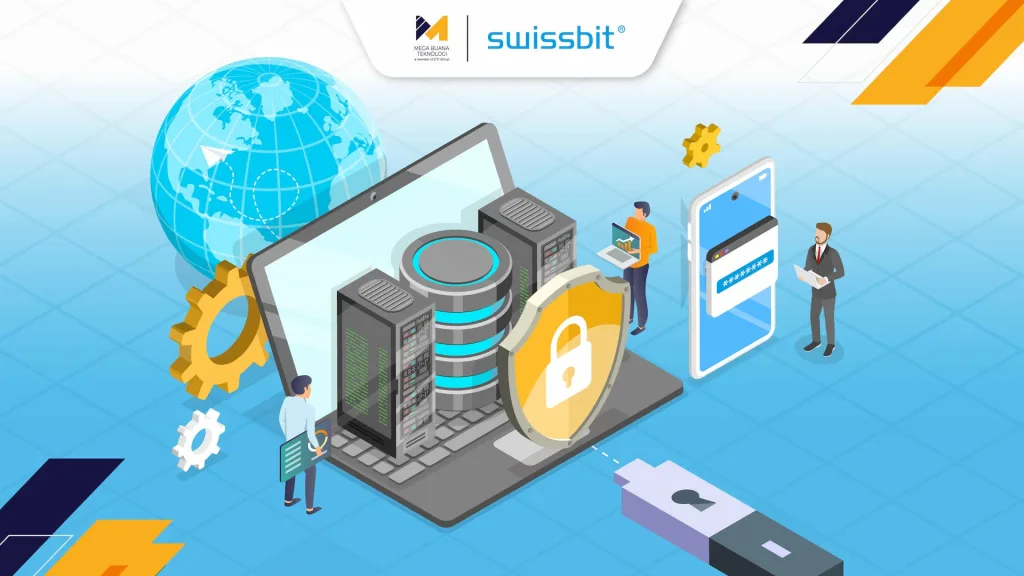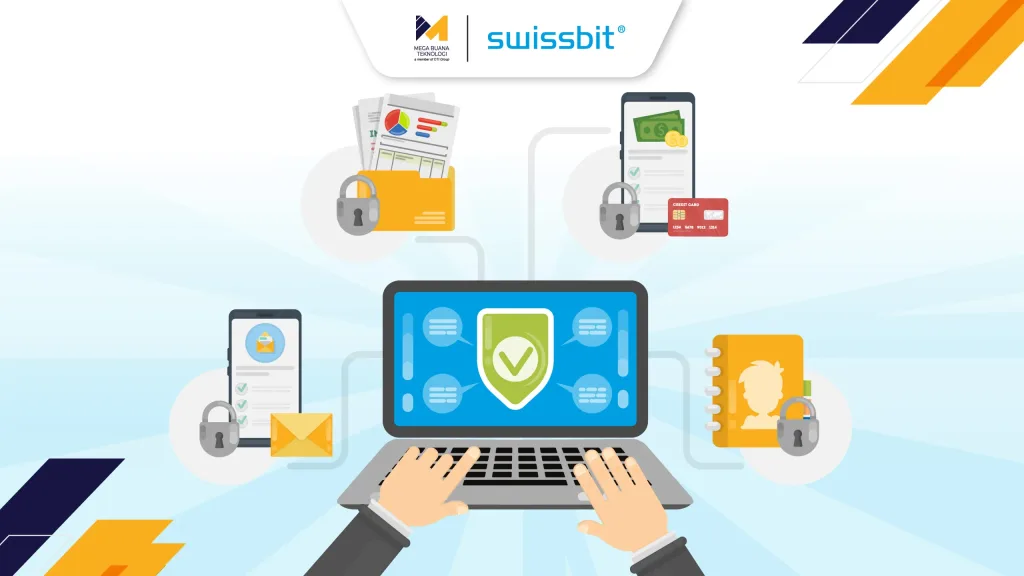

Data Loss Prevention (DLP) has become a defensive fortress designed to safeguard sensitive data from various threats. Sensitive data such as customer information, financial records, and trade secrets is a key element for a company’s survival and competitive edge. DLP represents a strategy and a set of technologies designed specifically to prevent the leakage of data, whether accidental or intentional.
In this article, MBT will dive deeper into DLP — including its definition, types, and how you can implement it to protect your data assets and minimize the risk of data loss.
What is Data Loss Prevention?

Data Loss Prevention is a strategy, policy framework, and set of technologies designed to prevent the loss or leakage of confidential, sensitive, or business-critical data. Its goal is to protect sensitive data from unauthorized access or use, as well as from accidental loss through carelessness or mishap.
DLP involves identifying, monitoring, and controlling sensitive data across an enterprise’s IT infrastructure, including storage systems, networks, and applications. The measures include data encryption, access restrictions, user activity monitoring, and the detection and prevention of behaviors or activities that could endanger data.
Implementation of DLP typically involves hardware, software, corporate policies, and as importantly, user training and awareness to ensure adherence to the established rules.
Why Should Companies Implement Data Loss Prevention?
Implementing a Data Loss Prevention program is increasingly vital for companies, given the serious consequences of failing to establish an adequate protection system. Here are five reasons why a company must deploy DLP.
1. Loss of Sensitive Data
Without DLP, a company is vulnerable to the loss of sensitive data such as customer information, trade secrets, financial data, or personal employee data. This can lead to significant financial losses, reputational damage, and severe legal consequences.
2. Regulatory Violations
In Indonesia, the Personal Data Protection Act (UU PDP) governs customer data protection. Without a DLP strategy, companies may fail to comply with this regulation, resulting in legal sanctions and fines.
3. Security Threats
Without DLP, companies become more exposed to cyber-attacks such as data theft, malware, or phishing. Unprotected data becomes an easy target for cybercriminals seeking valuable information to sell or exploit.
4. Reputation Loss
Loss of sensitive data or a security breach can damage a company’s reputation. This can lead to a loss of trust from customers and business partners, negatively affecting customer relationships, business growth, and corporate image.
5. Data Loss Due to Error
Without DLP, the risk of data loss due to human error or system failure increases significantly. This can disrupt business operations, cause service interruptions, and require significant time and resources to recover.
How Does Data Loss Prevention Work?
DLP operates systematically through multiple stages to detect, protect, and secure sensitive data from leakage or unauthorized use. Below are the common stages in the DLP process:
Data Identification
The first stage in the DLP approach is to identify the sensitive data that must be protected. This includes personal information such as national ID numbers, financial data like credit card numbers, or company secrets like product designs or strategic plans.
Monitoring and Supervision
DLP monitors data flows inside and outside the company network, including email, file transfers, chat conversations, and other activities. Using techniques such as content inspection, pattern analysis, and access blocking, DLP can identify potential security violations.
Violation Detection
Once sensitive data is identified and monitoring is in place, DLP works to detect behavior or actions that violate the security policy. This includes unauthorized attempts to transfer sensitive data, access from unauthorized locations, or activities that signal a security threat.
Protective Actions
When a breach or violation is detected, DLP takes action to stop or block the unauthorized behavior. This could be blocking data transfers, alerting users, or automatically deleting sensitive information.
Reporting and Auditing
In the final stage, DLP provides comprehensive reports on security activity occurring within the network. This lets security teams analyze threat patterns, evaluate the effectiveness of security policies, and fix detected vulnerabilities.
What Types of Data Loss Prevention Can Be Implemented?
There are five types of DLP that companies can adopt to protect their sensitive data, each with different focus areas and modes of operation:
1. Network DLP (Network-based DLP)
This type monitors data flows within the company network, including email, file transfers, and other communications. Network DLP can prevent data leakage by blocking or encrypting data that violates security policy.
2. Endpoint DLP
This is focused on endpoint devices like laptops, desktops, and mobile devices. Endpoint DLP protects sensitive data by controlling access, encrypting data, and detecting suspicious activity on user devices.
3. Cloud DLP
Designed specifically to protect data stored and processed in cloud environments such as AWS, Azure, or Google Cloud Platform. Cloud DLP allows companies to monitor and secure data stored in the cloud while applying the same policies used in on-premises infrastructure.
4. Email DLP
Email DLP monitors email messages for sensitive content, encrypts attachments, and prevents the sending of emails containing confidential information to unauthorized addresses.
5. Application and Database DLP
DLP can also be applied at the application and database level to protect sensitive data accessed or stored by business applications or database management systems. This type prevents unauthorized access, encrypts data, and monitors user activity within the application or database.
Challenges in Implementing Data Loss Prevention

Implementing DLP is not trivial for companies. Some legacy systems already in place require particular care. Below are a few of the key challenges encountered:
Data Complexity
The growing volume and complexity of data make identifying and classifying sensitive data challenging. Various types of data — structured, unstructured, and semi-structured — require different classification approaches.
Encryption
Although encryption is critical for protecting sensitive data, it can also create a challenge for DLP implementation. Encrypted data is harder to monitor and analyze because DLP solutions may not be able to access file contents or encrypted communications.
Data Transfer and Sharing
With the increasing use of cloud computing and collaboration platforms, data is often shared and transferred across different systems and users inside and outside the company. Ensuring DLP effectiveness in these varied environments, especially involving third-party services and external partners, can be complex.
Performance Impact
Comprehensive DLP implementation can sometimes affect system performance, especially in high-traffic environments. Overly restrictive policies or resource-intensive scanning processes may degrade network performance or disrupt business operations.
Regulatory Compliance
Compliance with data-protection regulations such as GDPR, HIPAA, CCPA, and Indonesia’s UU PDP adds complexity to DLP implementation. Companies must ensure their DLP strategy aligns with applicable regulatory requirements, which may vary by geographic area and industry sector.
Companies need to choose the right type of DLP based on their needs and budget. Using a combination of several types of DLP can provide optimal data protection while addressing implementation challenges. One solution that can be considered is MySQL Enterprise Edition, which includes features and capabilities to monitor and secure company databases from cyberattacks.
Data Loss Prevention Solution with MySQL Enterprise Edition
MySQL Enterprise Edition as a robust database management system (DBMS), provides security features that help protect sensitive data in the context of Data Loss Prevention (DLP). This becomes an ideal solution for companies that use MySQL databases and need features to enforce a DLP policy.
Here are four MySQL Enterprise Edition solutions that can help organizations implement DLP policies without changing their MySQL DBMS software:
MySQL Enterprise Transparent Data Encryption (TDE)
MySQL Transparent Data Encryption (TDE) is a method that automatically protects data stored in a MySQL database by encrypting it before it is written to disk and decrypting it when read — all without requiring application intervention. The process uses encryption keys stored securely within MySQL and requires proper key management. TDE provides strong data protection without disrupting applications.
MySQL Enterprise Masking and De-Identification
This feature allows companies to protect sensitive data within MySQL by obscuring or transforming its values. The displayed data is masked rather than the original. This capability works by defining masking policies within the database and then applying the policy to obscure data.
MySQL Enterprise High Availability
MySQL Enterprise High Availability offers a solution to maintain availability of MySQL databases for business processes. By creating redundancy among database servers, this solution ensures that when one server becomes unavailable, the other is ready to handle client requests.
MySQL Enterprise Audit
MySQL Enterprise Audit is a security auditing solution for MySQL servers. It enables users to record activities such as login, logout, queries, and changes to the database schema. The process includes audit configuration, log storage, log analysis, and follow-up actions based on audit information. Through MySQL Enterprise Audit, companies can better monitor and track user activity, enhance database security, and meet compliance requirements.
Get MySQL Enterprise Edition Only at MBT
It’s time to transition to MySQL Enterprise Edition for more effective Data Loss Prevention (DLP) implementation. As an authorized MySQL distributor, MBT has experienced IT technicians and is ready to help you avoid trial-and-error during solution deployment. Our 24/7 IT support ensures you receive comprehensive service before, during, and after implementation.
Interested in learning more about MySQL Enterprise Edition and exploring a proof-of-concept? Don’t hesitate to contact us via the link on our website.
Author: Wilsa Azmalia Putri
Content Writer CTI Group