

In today’s digital era, cloud servers have become a cornerstone of modern business operations. This technology allows companies to access computing resources efficiently, without the need for heavy investments in physical infrastructure. It has transformed how organizations store, manage, and process data across the globe.
As technology continues to evolve, cloud servers are set to play an even bigger role in driving innovation across industries such as Artificial Intelligence (AI), Big Data, and the Internet of Things (IoT). But what makes cloud servers such a powerful enabler of innovation? Let’s dive deeper to find out.
What Is a Cloud Server?
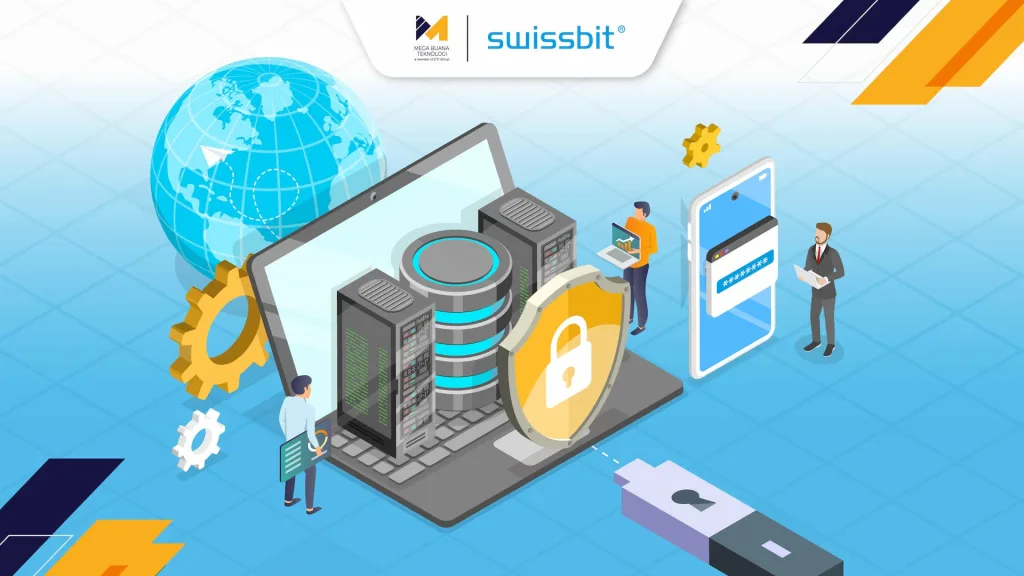
A cloud server is a virtual server that runs within a cloud computing environment, offering flexibility, scalability, and efficiency. Unlike traditional physical servers that rely on specific hardware, cloud servers are accessible and manageable over the internet.
With cloud servers, companies can minimize their dependence on physical infrastructure, easily scale computing resources based on demand, and ensure smooth business operations without costly maintenance.
Cloud servers also enable seamless team collaboration without geographical boundaries. Teams can work together in real time, share files instantly, and manage projects from different locations, all within a unified cloud environment.
In essence, cloud servers not only enhance operational efficiency but also help businesses stay competitive in an increasingly fast-paced digital landscape.
3 Key Differences Between Dedicated Servers and Cloud Servers
Choosing between a dedicated server and a cloud server depends on your business needs and scale, each offering its own set of advantages.
| Factor | Dedicated Server | Cloud Server |
| Cost | Higher upfront and operational costs due to exclusive physical resources. | More cost-efficient with rapid scalability and no need for significant hardware investment. |
| Management | Full control with deep customization but requires more management resources. | Easy to manage and accessible from anywhere, with flexible and dynamic IT resource adjustments. |
| Reliability | Offers high stability and security, ideal for mission-critical applications that demand consistent performance. | Redundancy and distributed resources enhance reliability, perfect for applications requiring scalability. |
Benefits of Cloud Servers
Cloud servers allow quick and flexible IT resource adjustments, accommodating business fluctuations with ease. You can scale CPU, memory, or storage up or down as needed, ensuring your infrastructure adapts effortlessly to market demands.
Scalability
Memungkinkan penyesuaian sumber daya IT yang cepat dan fleksibel, mengakomodasi fluktuasi kebutuhan bisnis dengan mudah. Ini mencakup peningkatan atau pengurangan CPU, memory, dan storage untuk merespons dinamika pasar dengan efektif.
Cost Efficiency
No need for large hardware investments, with a pay-as-you-go model; you only pay for what you actually use. This makes cloud servers a cost-effective solution for both startups and enterprises.
Accessibility
Access data and applications anytime, anywhere. Cloud servers empower remote work and cross-geographical collaboration, increasing productivity, and operational flexibility.
Reliability
Integrated backup and redundancy systems ensure high uptime and minimize downtime risks, keeping your business operations running smoothly and securely.
Security
Advanced security features protect your data and applications, including encryption, identity management, and compliance with data protection regulations. This ensures your company’s digital assets are safeguarded from evolving cyber threats.
Real-World Use Cases of Cloud Servers

Cloud servers serve as the foundation for modern businesses to innovate and scale efficiently. From reliable website hosting to advanced analytics, cloud servers offer versatile solutions that empower organizations to grow.
Here are three practical examples of how cloud servers are applied in business.
Website Hosting
Cloud servers are ideal for managing website traffic, offering on-demand scalability to handle sudden visitor spikes without downtime.
Business Applications
They ensure stable and reliable performance for business-critical applications like ERP and CRM, providing seamless access and consistent operations without costly hardware.
Big Data dan Analytics
With robust computing power, cloud servers simplify big data analysis, enabling businesses to run complex analytics, extract valuable insights, and optimize processes cost-effectively.
How Does a Cloud Server Work?
A cloud server operates through an innovative process powered by virtualization technology. This technology divides resources from a physical server into smaller, independent units known as virtual servers. Each virtual server runs its own operating system and applications, functioning autonomously within the shared infrastructure.
This approach simplifies management, one of the core advantages of cloud servers. Users can easily access and manage their servers through an intuitive control panel or via API, offering flexibility to adjust and scale resources in real time based on operational needs.
From an operational standpoint, the impact is significant. Cloud servers help businesses reduce IT infrastructure costs while enhancing flexibility and scalability. This enables companies to grow faster, adapt to market changes more efficiently, and maintain agility in today’s ever-evolving business landscape.
Types of Cloud Servers
There are three main types of cloud servers, each designed to meet different business needs and use cases.
Public Cloud Server
Hosted by third-party cloud providers, public cloud servers offer high scalability and flexibility at a lower operational cost. They are ideal for businesses seeking cost efficiency and easy access without investing in physical hardware.
Private Cloud Server
A dedicated cloud environment built exclusively for one organization, providing greater control, customization, and enhanced security. Best suited for businesses with strict data protection and compliance requirements.
Hybrid Cloud Server
Combines both public and private cloud infrastructures, allowing businesses to enjoy the security and control of private clouds while leveraging the scalability and flexibility of public ones. It’s the perfect balance for organizations that need both protection and performance.
Tips for Choosing the Right Cloud Server
Selecting the right cloud server requires careful consideration of your business goals and technical requirements. Here are three key factors to evaluate.
- Application Type: Analyze the applications you’ll be running to determine your specific needs in terms of computing power, memory, and I/O performance.
- Workload: Estimate your expected workload to ensure your chosen cloud server can handle it efficiently, without over- or under-provisioning resources.
- Budget: Align your selection with available budgets, aiming for the right balance between performance and cost efficiency.
Choosing the ideal cloud server can be complex, but with Huawei Cloud Elastic Cloud Server (ECS), businesses can count on a solution that prioritizes speed, performance, and efficiency, delivering a powerful foundation for modern digital operations.
Huawei Cloud Elastic Cloud Server (ECS): Speed, Performance, and Efficiency for Your Cloud Operations
Huawei Cloud Elastic Cloud Server (ECS) seamlessly combines speed, performance, and efficiency to support modern business needs. Designed to handle the dynamic demands of today’s enterprises, ECS ensures smooth business operations and application performance through a stable and flexible cloud infrastructure that drives both innovation and operational excellence.
With an intuitive user interface and robust API support, ECS gives users the flexibility to tailor their cloud environment based on specific operational requirements. Its advanced security features and built-in redundancy system make Huawei Cloud ECS a trusted cloud solution, empowering businesses to innovate and operate efficiently without compromising security or stability.
Key Features of Huawei Cloud Elastic Cloud Server (ECS)
 Source: Huawei Cloud Forum
Huawei Cloud ECS comes with a range of advanced features that support various workloads, from web applications and memory-intensive systems to Big Data processing. This versatility makes ECS an ideal choice for businesses across industries that prioritize innovation, scalability, and growth.
Here are some of the key ECS instance types and capabilities.
General Purpose (GP)
Perfect for running enterprise and web applications, offering a balanced mix of performance, scalability, and cost-efficiency.
High Performance Computing (HPC)
Built for compute-intensive workloads such as Big Data analytics, scientific simulations, and video rendering, featuring high-performance CPUs and GPUs.
Memory Intensive (M)
Designed for applications that demand large memory capacities, such as in-memory databases and real-time analytics.
High I/O (I)
Optimized for applications requiring high I/O throughput, including high-traffic web apps and NoSQL databases.
Burstable Performance (T)
Provides burstable CPU credits, ideal for workloads with fluctuating performance requirements.
Bare Metal Service (BMS)
Offers direct access to hardware for applications that need full control over infrastructure and maximum performance.
GPU Instances
Supports GPU-accelerated workloads for deep learning, machine learning, and AI inference, enabling faster and more efficient computation.
Benefits of Huawei Cloud Elastic Cloud Server (ECS)
Huawei Cloud ECS delivers a host of benefits designed to empower digital transformation and operational efficiency. Beyond speed and performance, ECS also helps organizations reduce infrastructure costs while improving overall reliability and agility.
Here are some of the main advantages.
Faster Application Deployment
ECS enables instant provisioning and rapid scalability, helping businesses accelerate the rollout of new applications.
Enhanced Application Performance
With high performance and superior throughput, ECS ensures that applications run smoothly and efficiently at all times.
Lower Infrastructure Costs
The pay-as-you-go model and instant scalability help significantly reduce capital and operational expenses.
Stronger Infrastructure Resilience
Multi-layered security and built-in redundancy protect your systems and ensure consistent uptime for critical workloads.
With its comprehensive features and benefits, Huawei Cloud ECS empowers businesses to enhance operational efficiency, cut costs, and strengthen both security and infrastructure resilience, while driving digital growth.
Adopting Huawei Cloud ECS with MBT
As a value-added distributor of Huawei Cloud ECS, Mega Buana Teknologi (MBT) delivers more than just a cloud server solution. Partnering with MBT gives businesses access to Huawei’s cutting-edge ECS technology, supported by experienced technical experts and comprehensive after-sales services that ensure a smooth implementation and ongoing operation of your cloud infrastructure.
MBT is committed to helping organizations embrace cloud innovation to achieve long-term growth and sustainability.
Learn more about how Huawei Cloud ECS can accelerate your business transformation, contact MBT today!
Writer: Danurdhara Suluh Prasasta
Content Writer Intern CTI Group